


The SEO landscape is shifting at a velocity rarely seen in the industry’s history. From the integration of generative AI into search results to the demand for increasingly sophisticated data analysis, staying ahead of the curve requires a hybrid approach: technical precision combined with highly human-centric content.
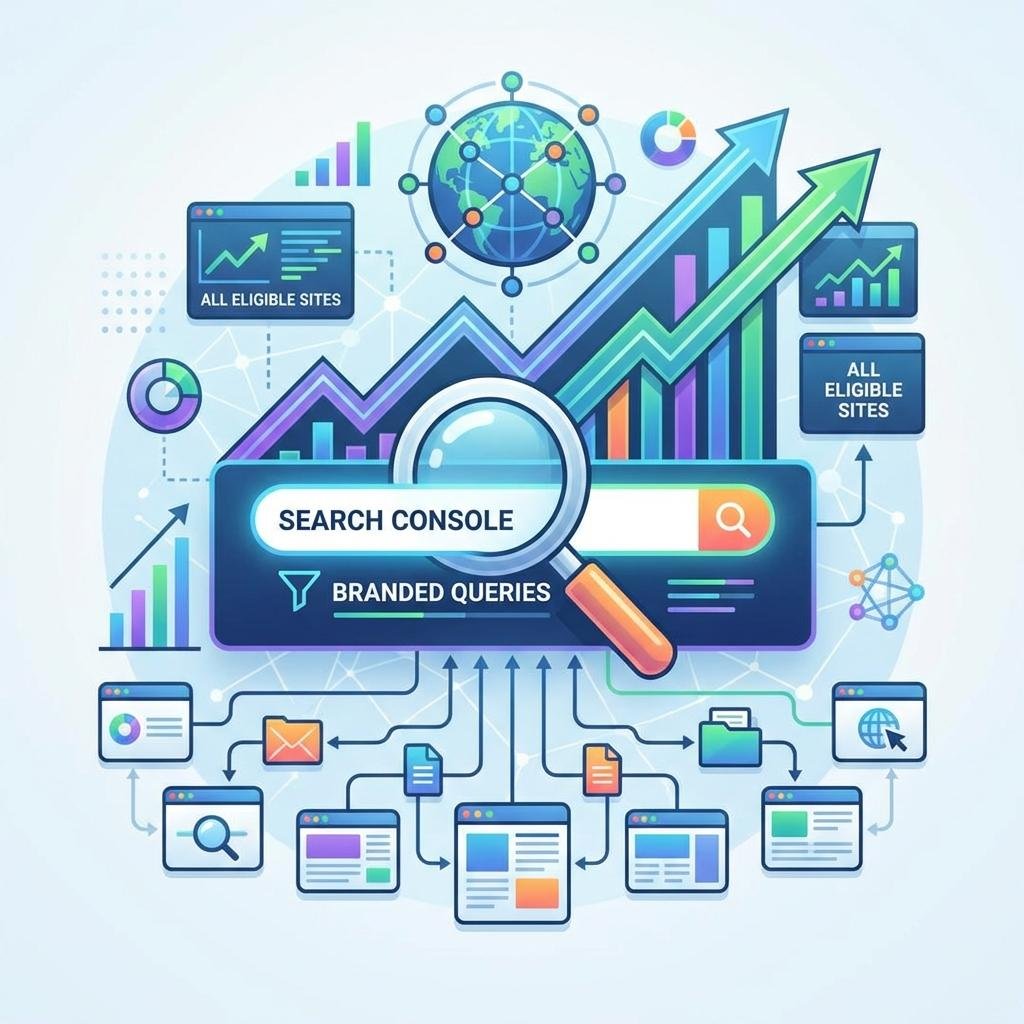
A major milestone in this evolution has arrived: Google officially expanded the Search Console branded query filter to all eligible sites. This rollout, coupled with the rapid rise of AI Overviews and stricter E-E-A-T guidelines, signals a new era for digital marketers and SEO professionals.
Here is how you can leverage these latest search developments to maintain a competitive edge.
1. Google Search Console Expands the Branded Query Filter
For years, segmenting branded search traffic (users looking specifically for your company) from non-branded traffic (users searching for generic solutions) was a manual, often tedious workflow reliant on complex regex filters.
With the expansion of the branded queries filter in Google Search Console (GSC) to all eligible properties, Google has democratized advanced SEO data analysis. This built-in feature empowers site owners to:
Isolate Brand Awareness Metrics
Accurately measure the direct search impact of offline marketing, social media, and PR campaigns.
Uncover Non-Branded Growth Opportunities
By filtering out branded navigational queries, you can pinpoint the high-intent, generic keywords driving traffic—and identify where you are losing SERP real estate to competitors.
Refine Top-of-Funnel Content Strategy
Understanding exactly how users discover your site when they don’t know your brand name is critical for capturing net-new leads.
2. Navigating the Era of Google AI Overviews
Google’s AI Overviews (formerly the Search Generative Experience, or SGE) have fundamentally altered the “zero-click” search landscape. To succeed in this AI-driven environment, traditional SEO is no longer just about securing the #1 blue link; it is about becoming the authoritative source of truth that AI models cite.
Optimize for Information Gain
Do not just regurgitate existing web content. Provide unique insights, proprietary data, expert interviews, or first-hand case studies to signal high value to search algorithms.
Structure Content for LLMs
Utilize clear hierarchical headings (H2s, H3s), concise bullet points, and robust schema markup to help AI crawlers easily parse, digest, and attribute your content.
"Modern SEO is no longer just about keywords—it's about becoming the definitive source of truth that both humans and AI can trust."
3. The Double "E" in E-E-A-T: First-Hand Experience is Paramount
Google’s updated Search Quality Rater Guidelines place an unprecedented emphasis on Experience. While Expertise, Authoritativeness, and Trustworthiness remain foundational, Google’s algorithms increasingly prioritize content authored by individuals with demonstrable, real-world experience in their subject matter.
To align your content strategy with E-E-A-T standards:
- Integrate personal anecdotes, proprietary testing, and “lessons learned.”
- Enhance author bios to explicitly highlight real-world credentials and industry authority.
- Steer clear of generic, AI-generated fluff that lacks a unique, human perspective.
4. Prioritizing Search Intent Over Keyword Density
The era of keyword stuffing is definitively over. Powered by advanced AI algorithms like RankBrain and Neural Matching, Google now understands the underlying intent behind a search query better than ever before.
Modern SEO demands meticulous mapping of content to specific stages of the buyer’s journey:
- Informational Intent: “How to optimize GSC branded filters.”
- Navigational Intent: “Google Search Console login.”
- Transactional / Commercial Intent: “Best enterprise SEO agency 2024.”
The new branded query filter in GSC is an invaluable tool here, allowing SEOs to clearly distinguish between users looking for your brand navigationally versus those seeking informational solutions to broader problems.
5. Technical SEO: Core Web Vitals and Interaction to Next Paint (INP)
Technical SEO remains the bedrock of search visibility. The most critical performance metric to monitor right now is Interaction to Next Paint (INP), which has officially replaced First Input Delay (FID) as a primary Core Web Vital.
INP measures a page’s overall responsiveness to user interactions. High-performing websites must ensure that every click, tap, or keypress results in a near-instantaneous visual response, directly impacting both user experience (UX) and overall search rankings.
Conclusion: Driving Data-Backed SEO Success
The expansion of the branded queries filter in Google Search Console is more than a minor dashboard update—it is an invitation for search marketers to become radically data-driven. By clearly delineating the baseline strength of your brand from the organic performance of your non-branded SEO strategy, you can make smarter, more precise investments in your digital presence.
As artificial intelligence continues to reshape how users interact with the web, the winning SEO formula is clear: a hybrid of technical excellence, authentic human experience, and a deep, continuous dive into the analytics Google provides. Is your website optimized for the shift?